Inside Intelligence
Some of the most important decisions in a kitchen or bathroom are not the ones that announce themselves first.
They are the ones that make the room behave properly: the bin that is exactly where it should be, the tea towel rail that disappears until needed, the drawer that holds its order, the power point that appears without interrupting the bench, the strip of light that gives a shelf, mirror or island its quiet edge.
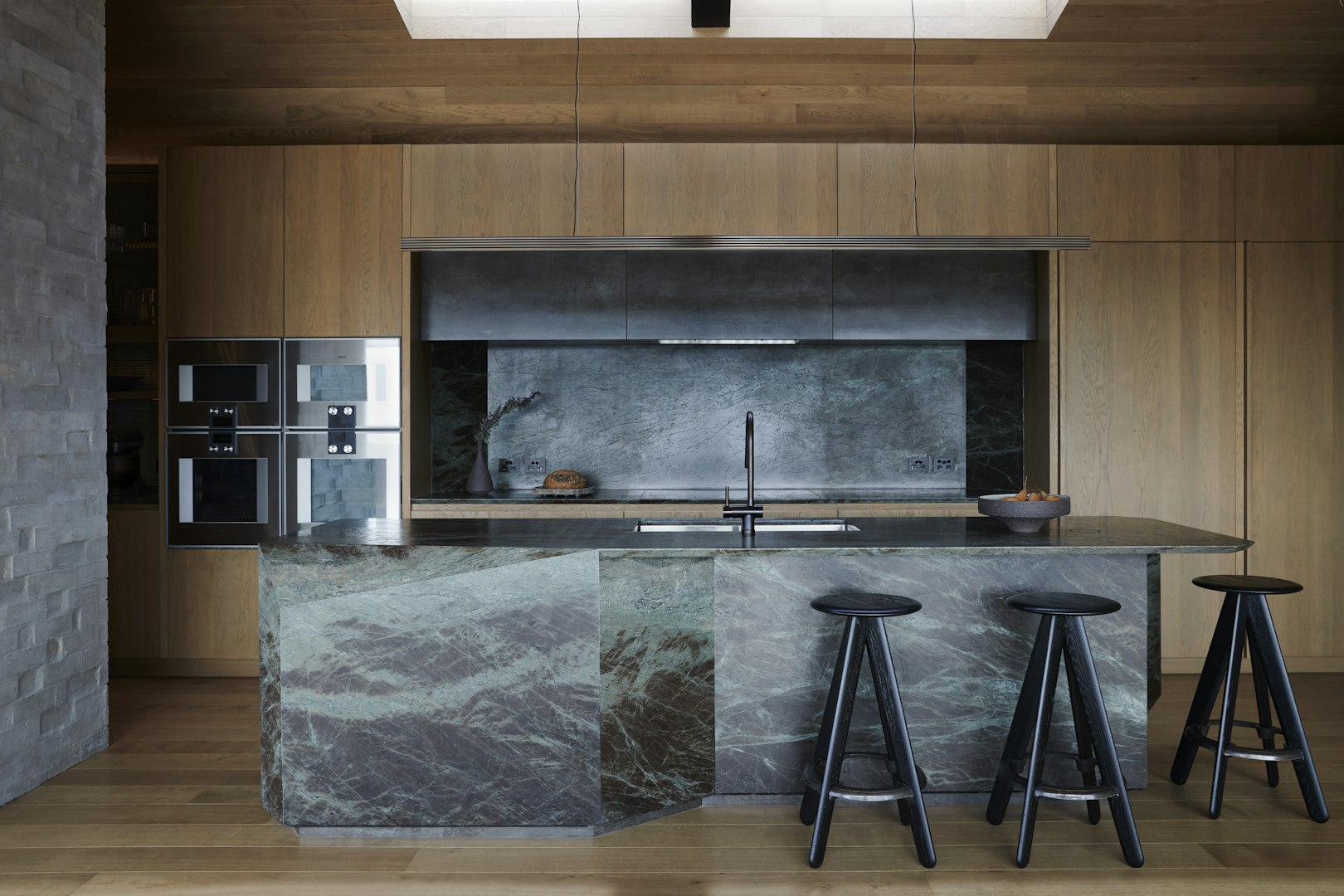
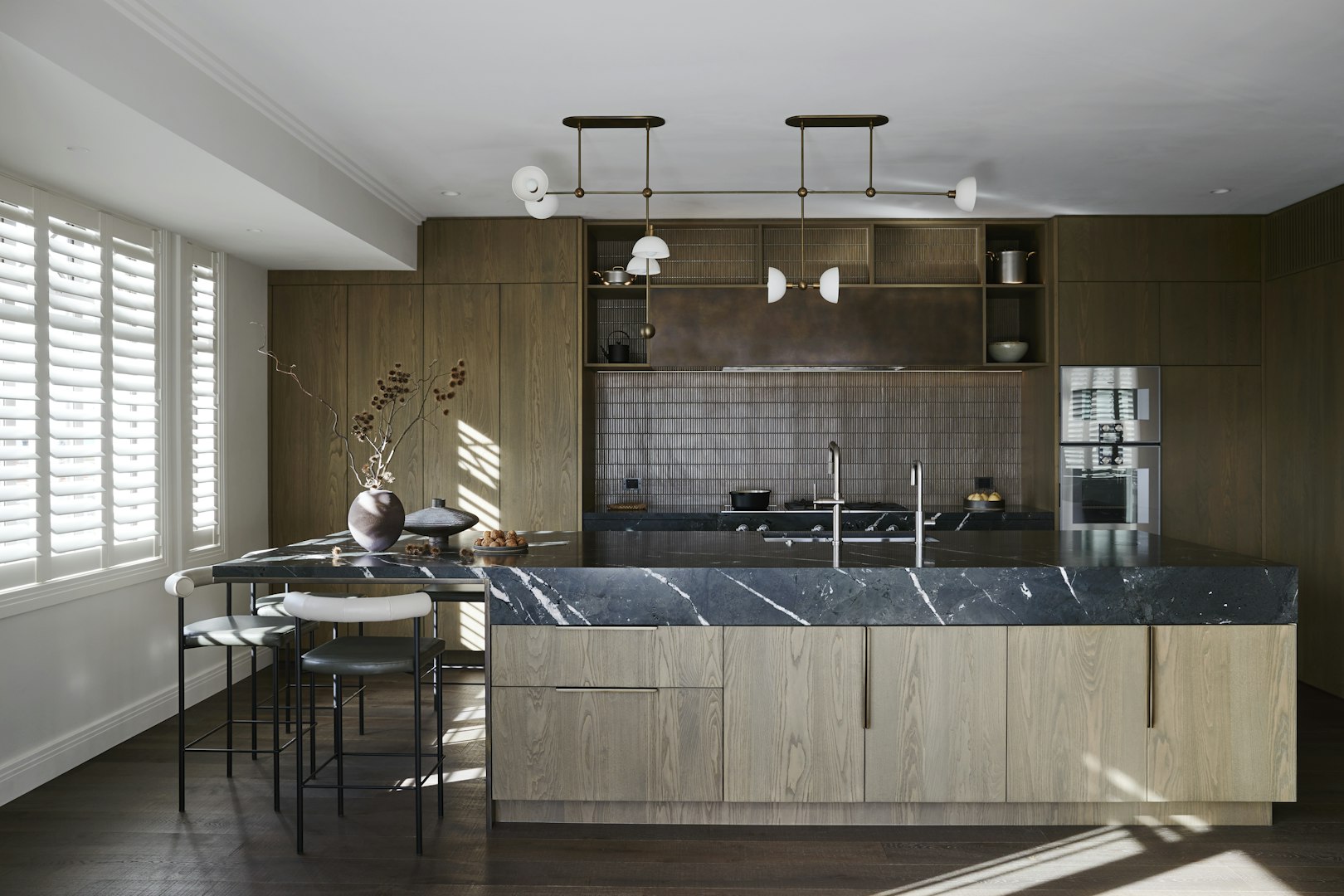
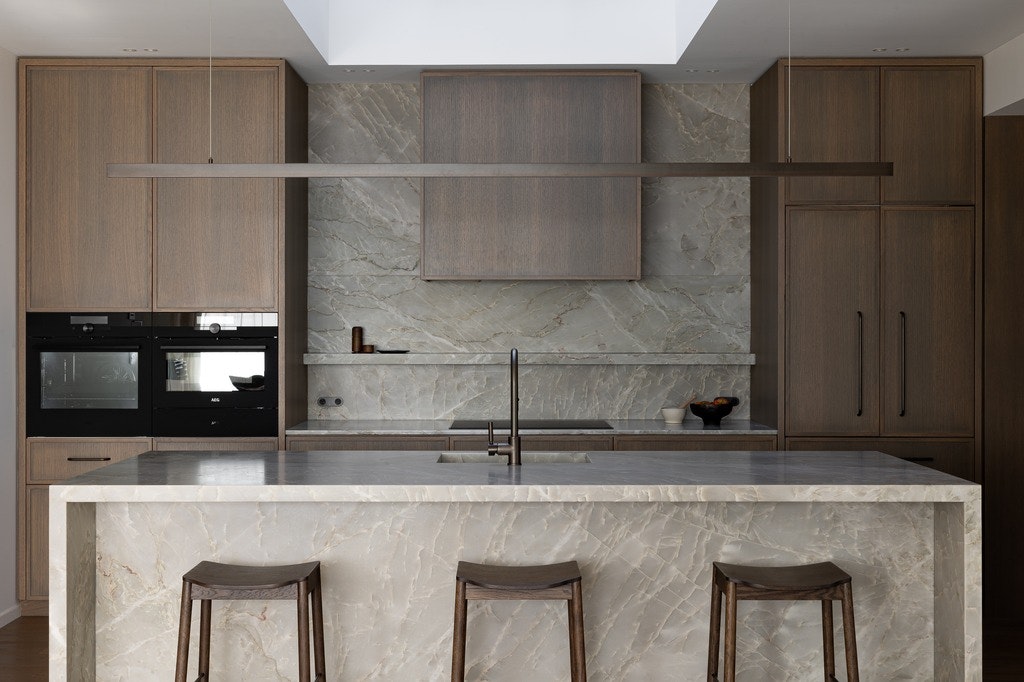
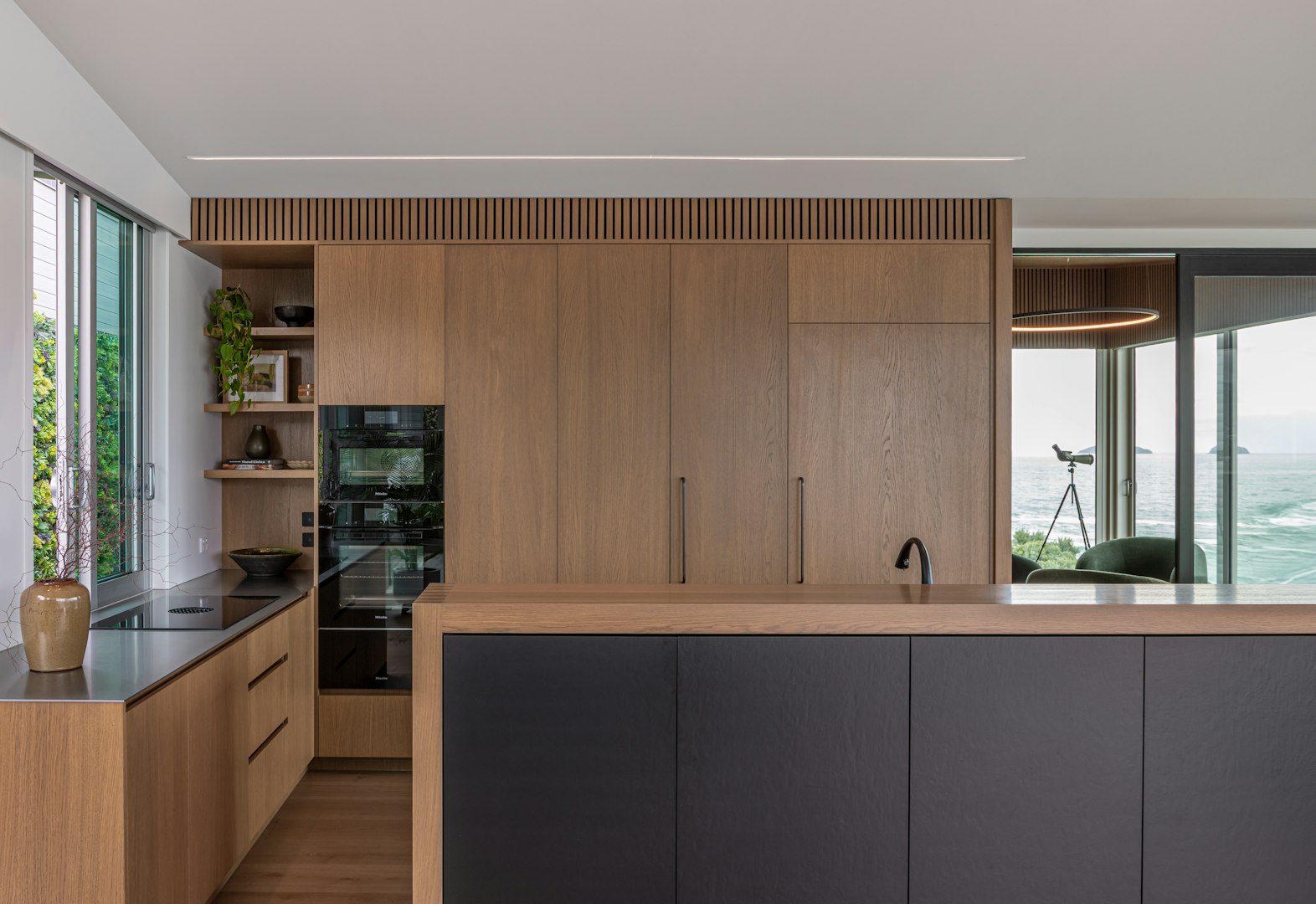
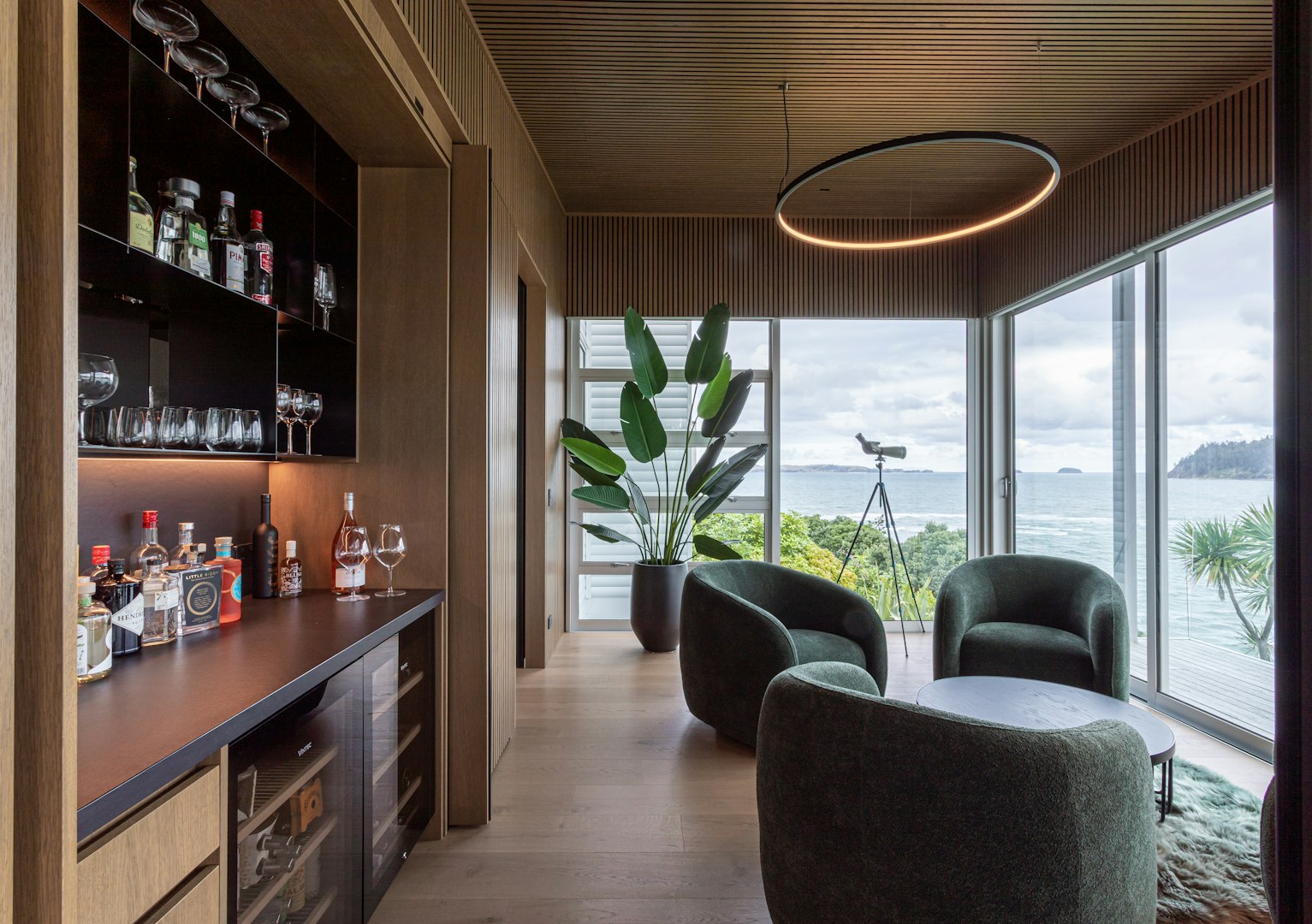
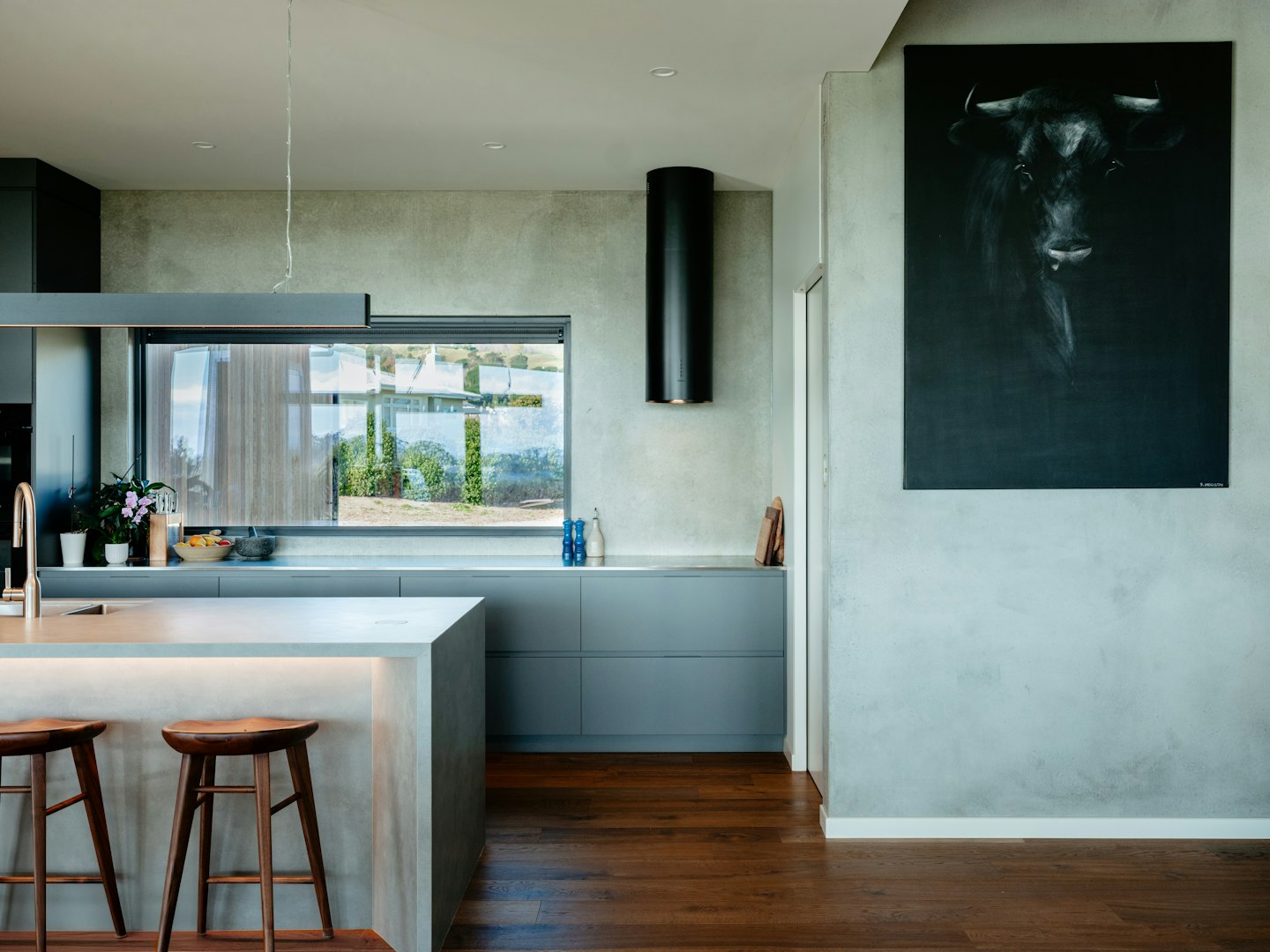
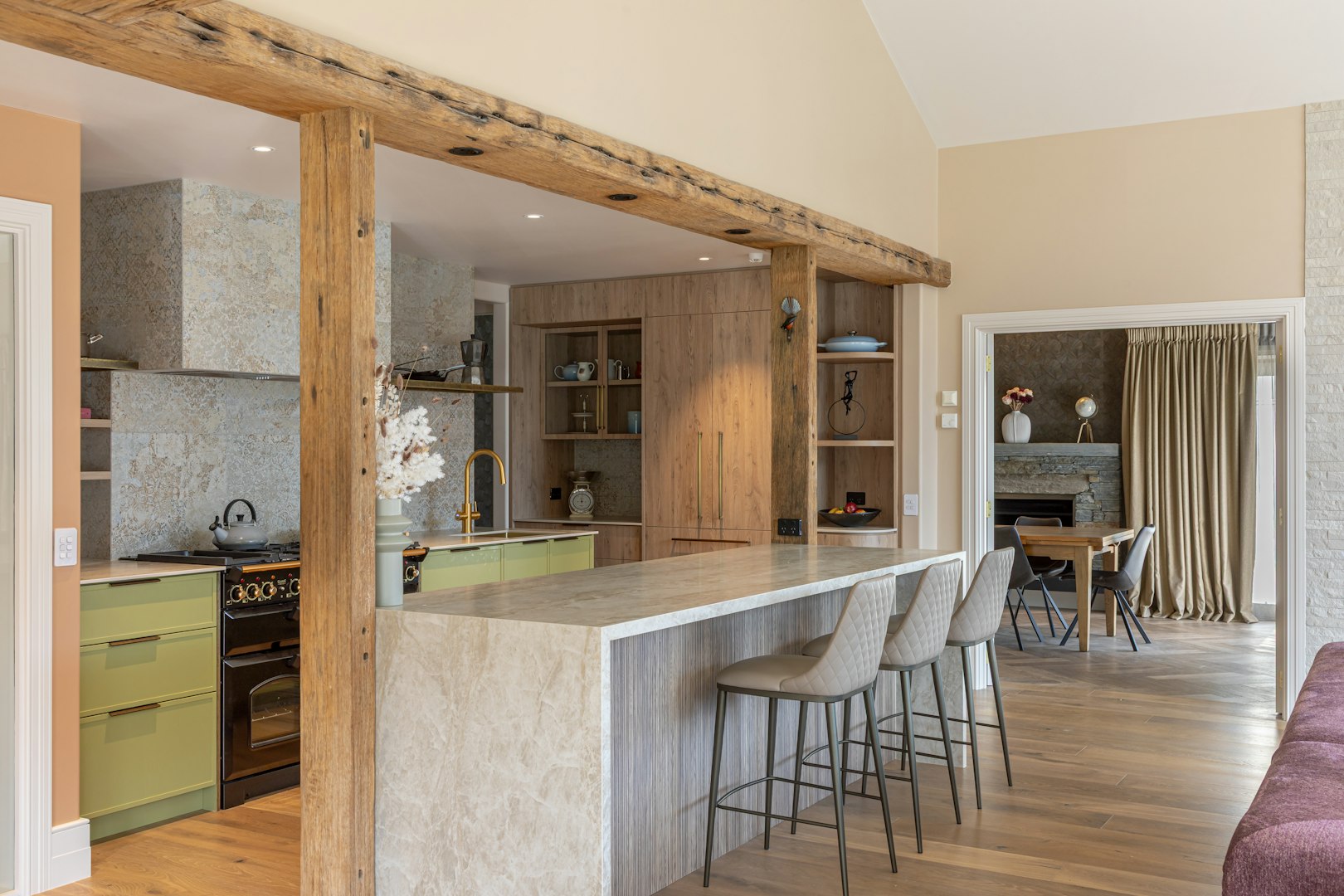
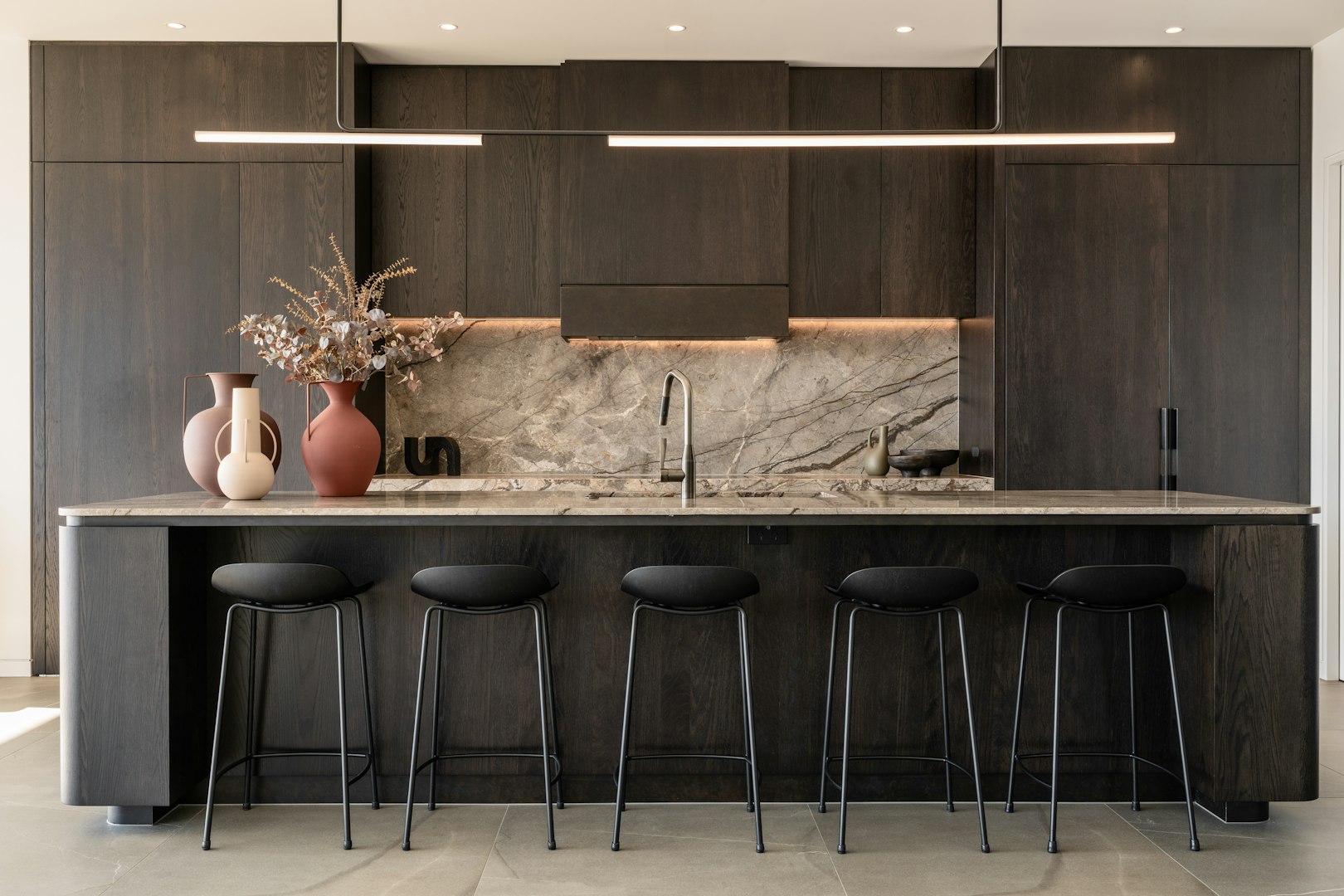
Across the 2026 NKBA Excellence in Design Awards entries, FIT appears in projects including No Stone Unturned, Tea House — Apartment Kitchen, Residence Recast, Rural Sanctuary, Room with a View Kitchen, Room with a View Gin Bar, A Pretty Penny, A Suite Sanctuary, Atelier Noir, Concrete Casa, Clay Hills, Lakeside Sophistication, The Verdant Modern, The Marble Edit and more.
It is a useful reminder that specification is not always glamorous on paper. Bins, hampers, towel rails, cutlery trays, power points, drawer ventilation and LED systems are not the loudest parts of a design story. But they are often the difference between a room that photographs beautifully and a room that lives beautifully.
Specified products across this year’s entries include Tanova bin systems, Tanova hampers, ventilated drawers, pull-out tea towel rails, Point Pod pop-up power, Domus Line LED strip lighting, Flexyled, Nexus profiles, Apex profiles, cutlery trays, spice storage, wine glass racks and internal organisation systems.
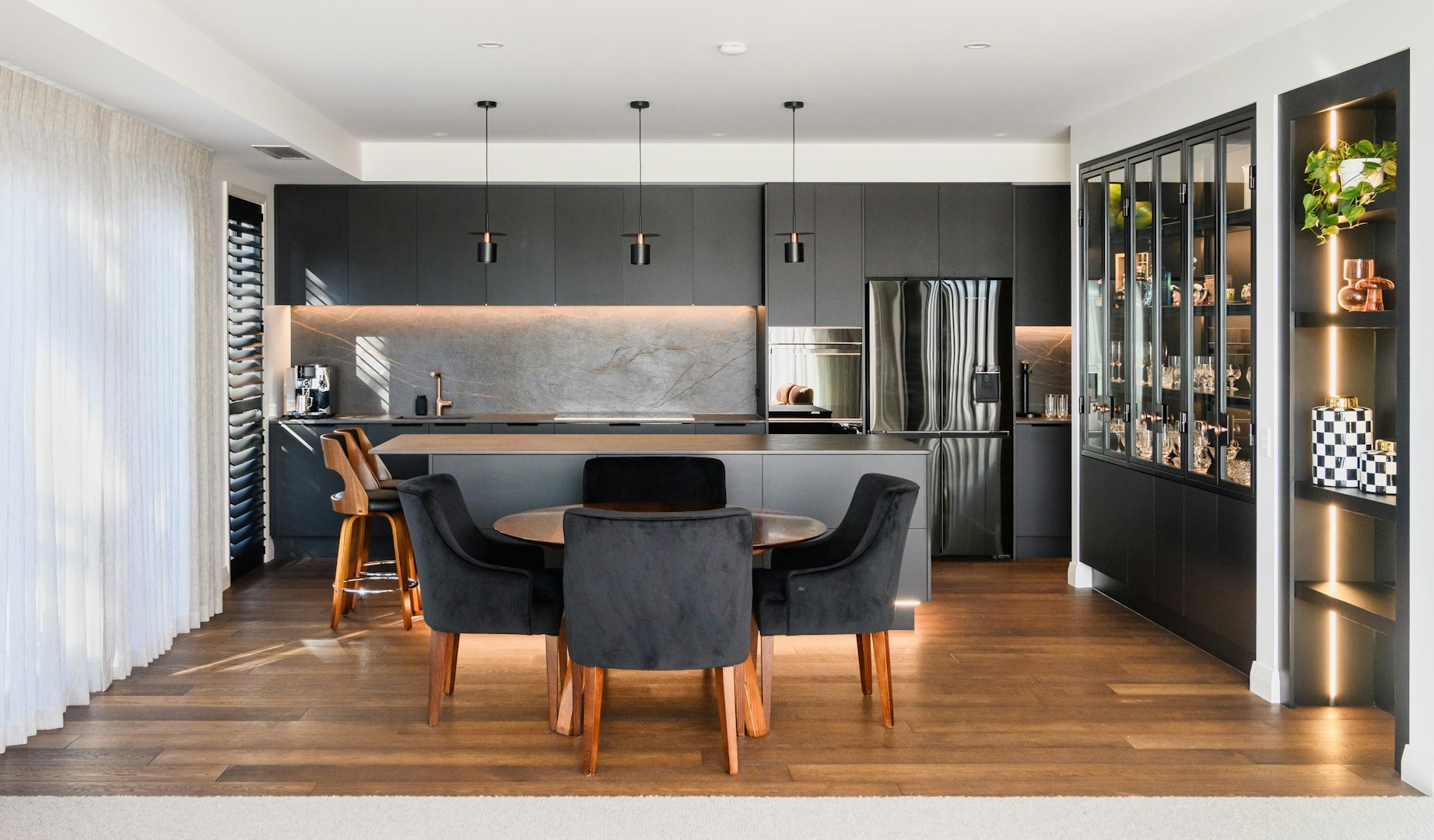
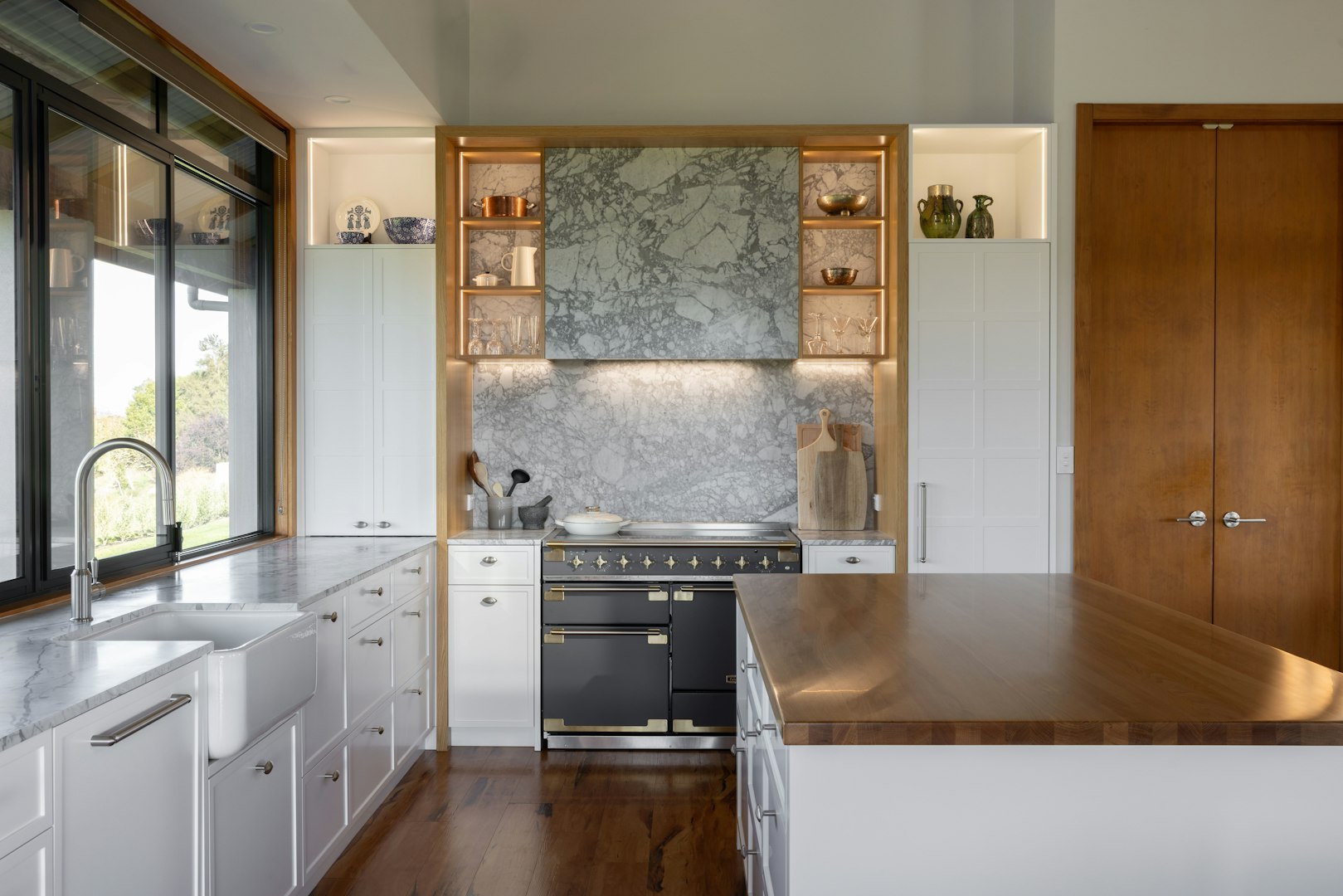
In the Supreme Kitchen, No Stone Unturned by Natalie Du Bois, FIT is specified through scullery bins, a Point Pod pop-up power solution and stainless steel tea towel rails: small interventions that support a kitchen built for serious family life. In Tea House — Apartment Kitchen, FIT appears again through Point Pod and tea towel rails, helping keep the working zones precise and uncluttered. In Residence Recast, Tanova bins, hampers and ventilated drawers sit inside the cabinetry plan, supporting storage that is practical without becoming visually heavy.
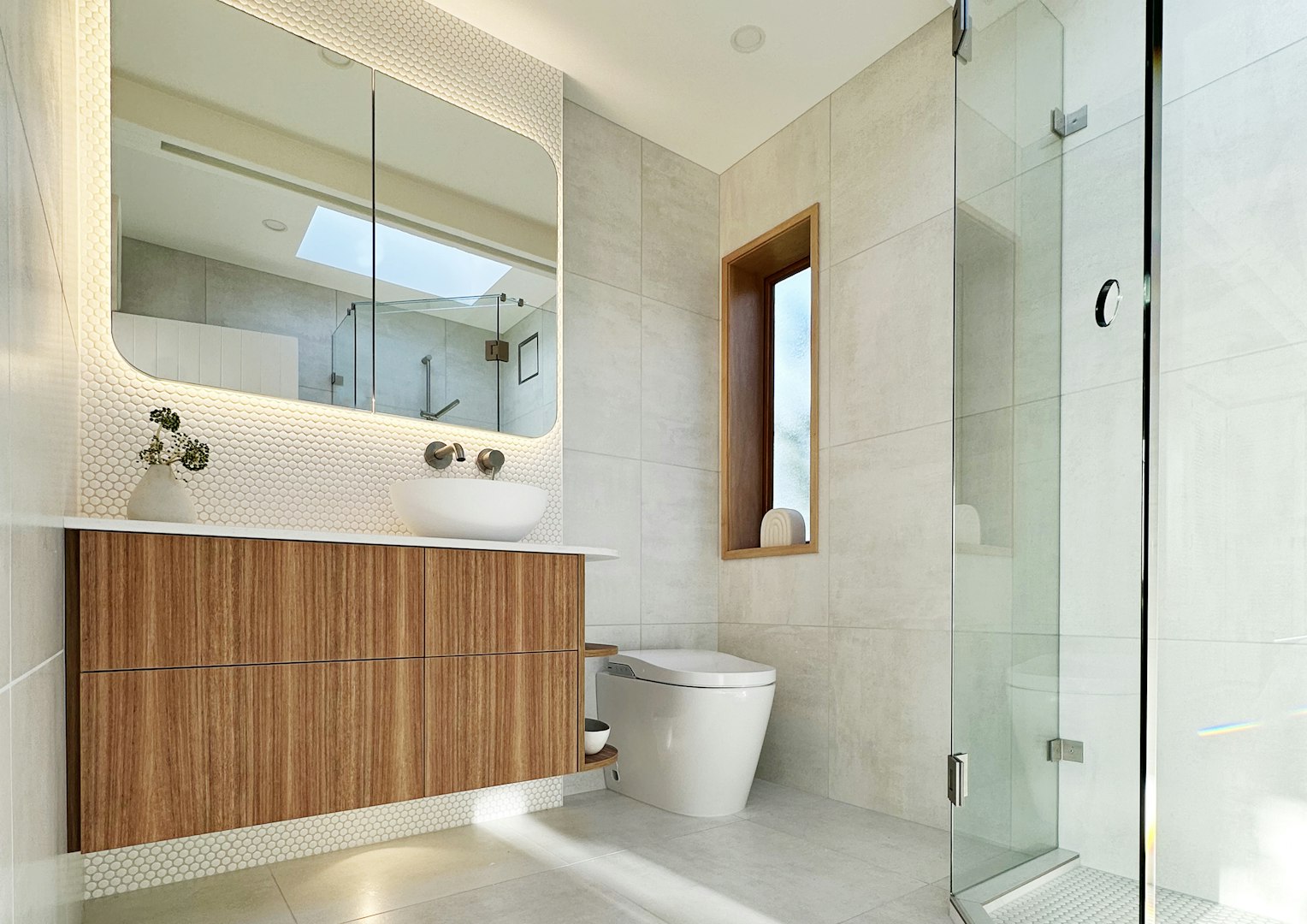
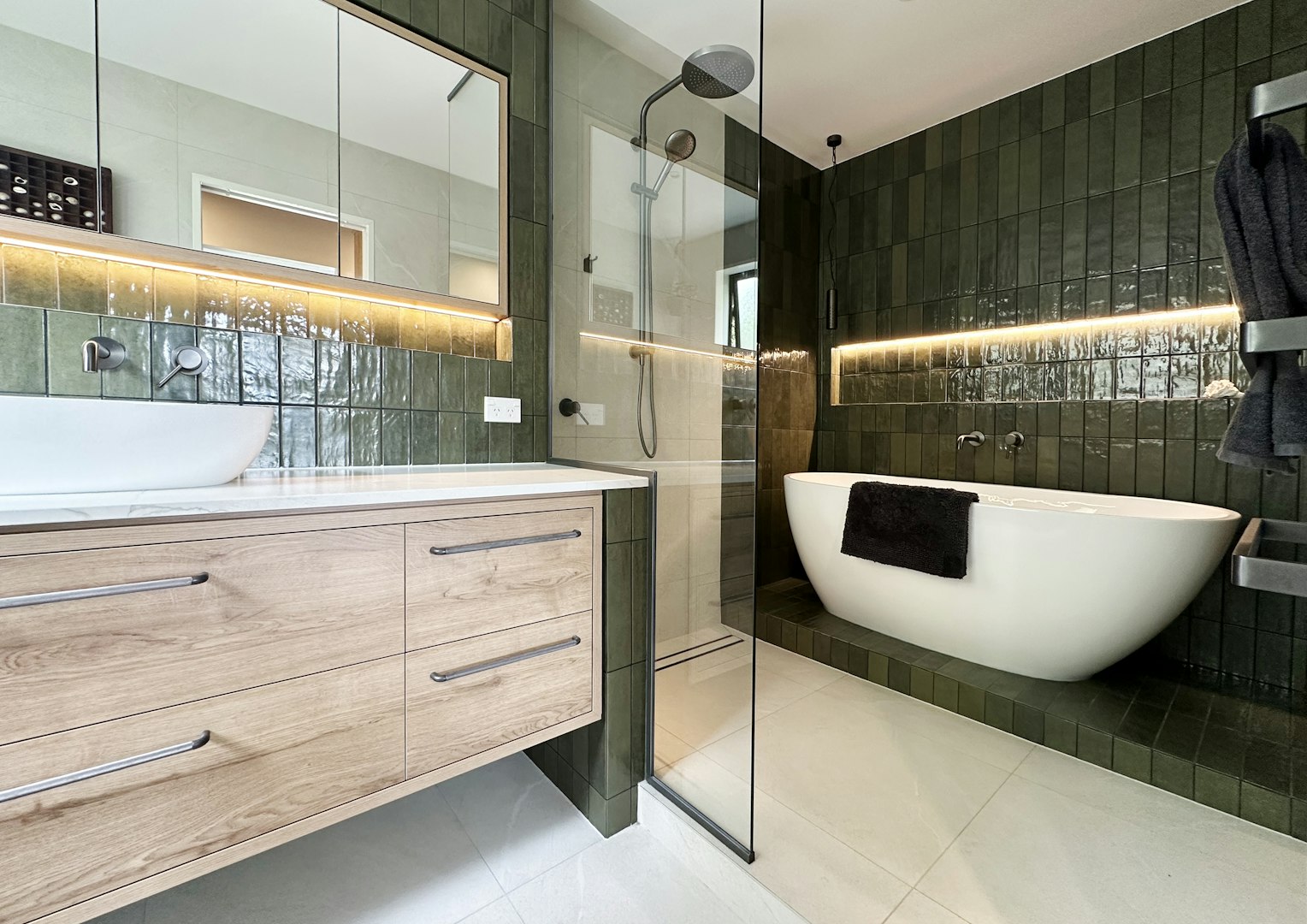
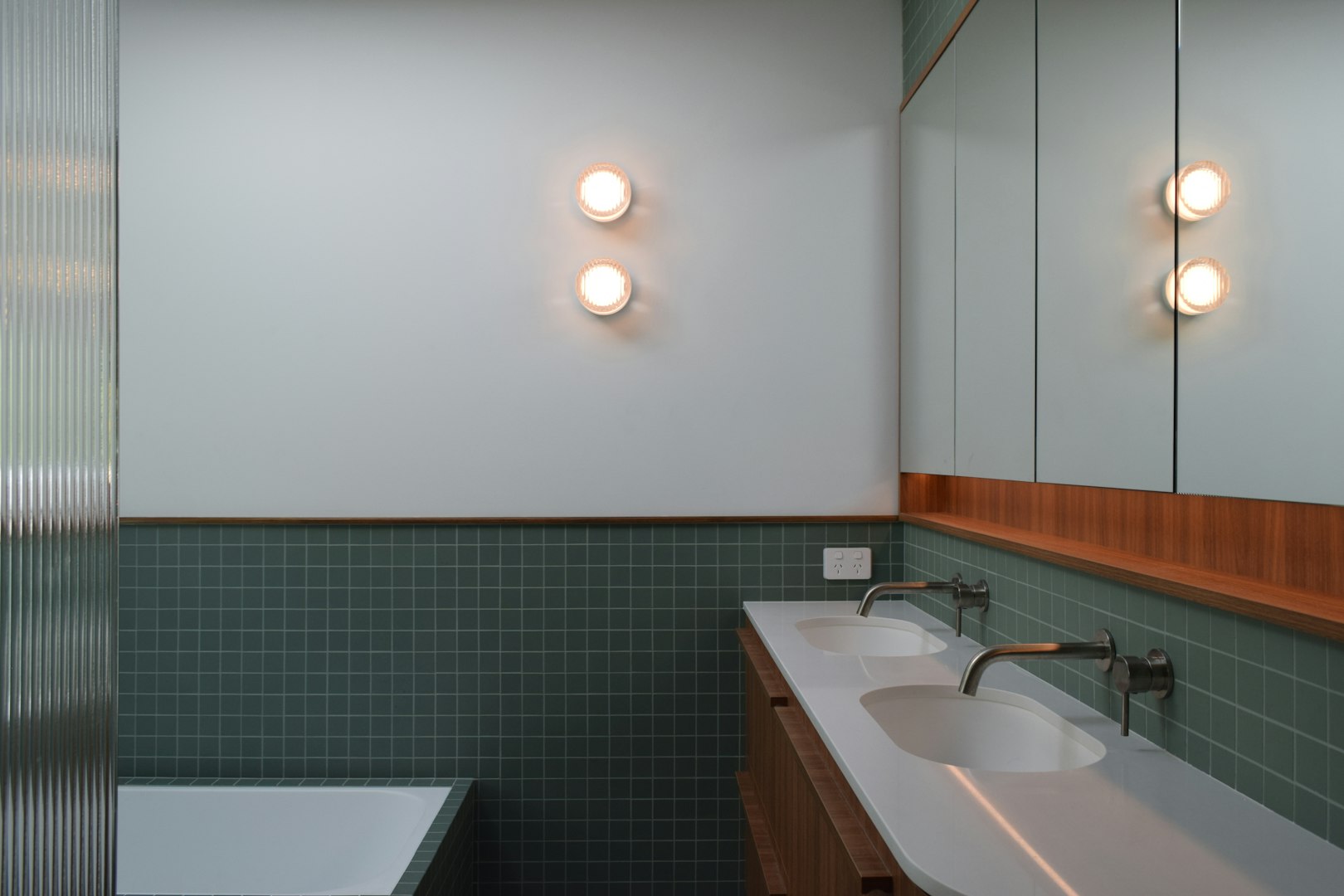
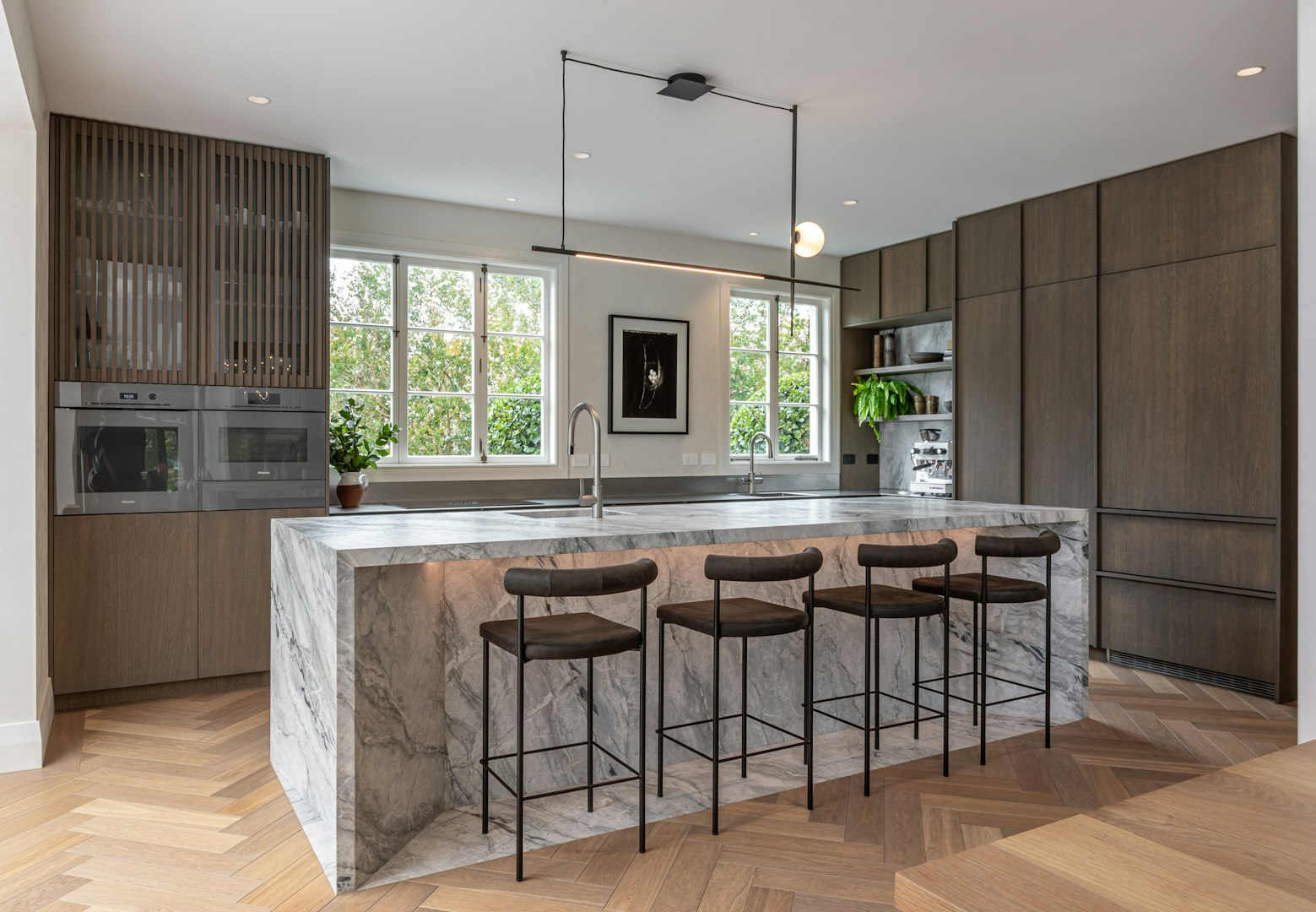
Lighting is another part of the story. FIT-specified Domus Line and LED systems appear across entries where illumination is used less as decoration and more as atmosphere: under shelving, inside cabinetry, around mirrors, beneath counters and through the quieter architectural edges of a room. When handled well, that kind of light does not shout. It sharpens. It gives texture somewhere to go.
The same is true of internal organisation. Cutlery trays, spice storage, towel rails, hampers and pull-out systems may sound domestic, because they are. But in a highly resolved room, domesticity is not the enemy of design. It is the point. A kitchen has to absorb repetition. A bathroom has to carry routine. The best rooms do that with grace.
FIT’s role sits in that very particular space between hardware and habit. Its products help designers resolve the parts of a room that clients touch, open, fill, empty, reach for and rely on every day. These are not hero moments in the obvious sense. They are the little pieces of intelligence that let the hero moments stay clean.
And that is where good specification earns its keep: not by making life look designed, but by making design work beautifully when life turns up.